In Japan’s day-to-day routines, getting payments sorted early removes a lot of friction. Many newcomers want to get a MobalPay Card to start paying in supermarkets, pharmacies, restaurants, and online stores without waiting for a traditional credit line.
MobalPay functions as a Japan-issued prepaid Mastercard, so spending stays inside the balance loaded in advance, not a revolving debt bucket.


Fees and limits below reflect official pages checked in 2025; double-check live terms during application and at top-up time.
What the MobalPay Card Is
MobalPay is a prepaid Mastercard issued in Japan and aimed at foreign residents who need a straightforward way to transact in yen.
It is not a credit card or a debit card tied to a Japanese bank account, which keeps budgeting simple because purchases always settle against the preloaded balance.
Holding a Japan-issued card improves success rates on many domestic platforms compared with foreign-issued prepaid products, especially when address and name formats match local expectations.
Who Benefits
New residents, international students, and expats with limited Japanese credit history tend to benefit most because the onboarding flow focuses on identity checks rather than a conventional credit screening.
Those who prefer tighter spending control also value prepaid behavior that caps activity at the current balance.
Company language positions MobalPay as a tool made specifically for foreigners in Japan, with cash and bank transfer top-ups available once the account is active.
Eligibility and How to Get A MobalPay Card
Starting on the right foot helps avoid the back-and-forth that slows delivery.
This program targets adult residents with a verifiable identity and a valid delivery address in Japan.
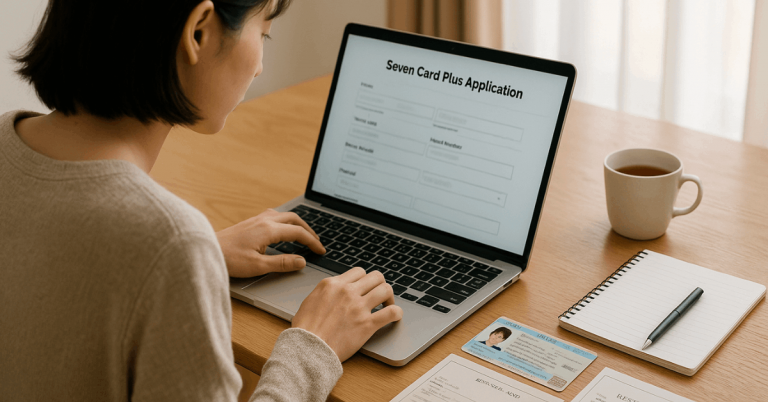
Application runs online in English, and approval depends on successful ID and fraud checks tied to the Residence Card. Campaigns sometimes bundle SIM service and the card, but the core steps remain stable across offerings.
Basic Requirements
Applicants should be at least 18, hold a valid Japanese Residence Card, and have a deliverable Japanese address that matches the application profile.
Matching the name on the Residence Card and the nameplate on the mailbox prevents failed deliveries and return-to-sender delays.
Company pages emphasize that a Japanese bank account is not required to start, which explains the strong adoption among students and first-week arrivals.
Application Steps
Begin on the official MobalPay site, create an account, and submit clear images of the Residence Card and requested profile details.
Once identity checks pass, follow the setup-fee instructions, receive the physical card at the registered address, activate it in the portal, and load funds so the card can transact at physical and online merchants.
Campaign pages and help posts show convenience store payment barcodes when cash top-ups are used for onboarding or later reloading.
Fees, Costs, and Limits
Getting the math right up front avoids headaches later. The provider lists a one-time setup fee and a monthly fee deducted from the stored balance, and publishes program limits under Japan’s Payment Service Act.
Campaigns may change fee timing or offer a free first month, so always confirm live banners and the legal-notice page before committing funds.
Core Fees:
| Item | Amount | Notes |
| Setup fee | ¥2,970 | Charged after approval per current campaign details. |
| Monthly fee | ¥385 | Deducted from balance; free month appears in promotions. |
| Balance limit | Up to ¥500,000 | Stated on legal notice page. |
| Spend limit | Up to ¥500,000 | Per-transaction ceilings apply. |
| Top-up caps | ¥300,000 daily / monthly | See legal page for caps and updates. |
For international or non-JPY transactions, standard network currency conversion and international handling may apply when merchants bill outside Japan or in other currencies.
Salary deposits and ATM cash withdrawals are not supported because this is a prepaid program, not a payroll or cash-access product.
Using And Topping Up MobalPay
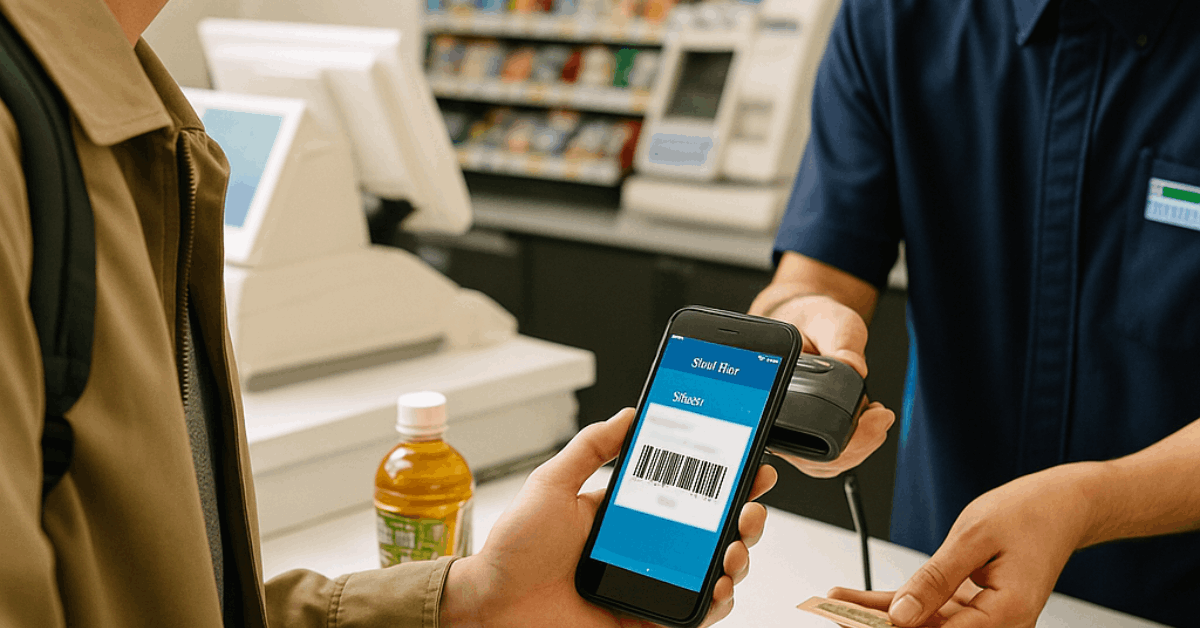
A smooth top-up routine keeps everyday payments reliable. Cash reloads at convenience stores use a barcode generated inside the account portal, which staff scan at the counter before accepting payment.
Bank transfers become practical once a Japanese account is opened, and funds typically appear promptly depending on method and time of day. Company articles and third-party coverage highlight the convenience-store route as a popular early option.
Paying In Stores and Online
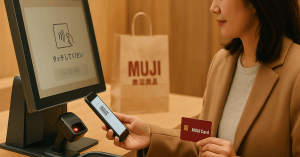
In physical shops, insert the chip card or tap at contactless terminals, then enter a PIN or sign if prompted.
For online checkouts, enter card details and complete 3-D Secure verification where enabled, which reduces fraud and prevents unwanted declines.
Keeping notifications on in the account helps track authorizations, posted transactions, and the monthly fee deduction in near real time.
Situations that May Not Work
Some subscription platforms, deposit holds, toll operators, hotels, or petrol stations prefer credit lines or impose rules that restrict prepaid acceptance.
Maintaining a backup payment method covers those edge cases, and checking per-merchant rules ahead of larger purchases saves time.
Program limits also apply to single transactions and cumulative activity, so plan bigger purchases around ceiling values from the legal page.
Security, Support, And Good Habits
Chip transactions, 3-D Secure, and address matching do most of the heavy lifting against misuse, but simple habits matter as well. Keeping a small buffer prevents declines when temporary authorizations or the monthly fee hit before a top-up posts.
Profiles should stay current, especially after an address change, to safeguard deliveries and future identity checks.
When questions arise about activation, reload timing, or an unexpected decline, the fastest route is the MobalPay contact channel tied to the account rather than corporate switchboards.
Quick Pros and Cautions
Getting the trade-offs clear helps set expectations before paying any fees. Short, practical points below summarize what typically matters most to newcomers.
- Pro: Simple onboarding for Residence Card holders and English-friendly support improve early adoption.
- Pro: Cash reloads via barcode at major convenience stores keep the card usable before a bank account exists.
- Pro: Japan-issued prepaid acceptance covers most day-to-day stores and websites that take Mastercard locally.
- Caution: Monthly fee applies and is deducted automatically, so balances should stay topped up.
- Caution: ATM withdrawals and salary deposits are unsupported; plan an alternative for cash and payroll.
When MobalPay Is Not Enough
Some users eventually want ATM access, inbound salary deposits, or broader acceptance for recurring subscriptions and deposits.
In those cases, opening a basic Japanese bank account or adding a second payment rail, such as a transit wallet or a domestic e-money account, can cover the gaps while keeping MobalPay for everyday card purchases.
Building a small toolkit of payment options typically produces fewer declines during travel, ticketing, or hotel transactions.
Conclusion
MobalPay provides a practical bridge into Japan’s cashless ecosystem for residents who need to start transacting quickly in yen.
Setup is clear, top-ups are available through convenience stores and bank transfer, and budgeting stays predictable because spending never exceeds the current balance.
Treat the fee schedule, limits, and acceptance profile as the primary decision factors, then apply once the requirements and delivery address are ready.
Disclaimer
This guide is informational and not financial, legal, tax, or consumer advice.
Product conditions, fees, eligibility rules, contact details, and legal status for MobalPay and Mobell Communications Ltd. change over time; confirm the latest official information and program documents before applying or using any financial product.