Online shopping in Japan keeps reinventing itself year after year. New expectations, fresh technologies, and higher digital security needs all shape what consumers value most.
Now, with the PayPal Credit Card on the horizon in 2026, many Japanese online shoppers seem more interested than ever. But is it just hype, or does this card offer something truly distinctive?
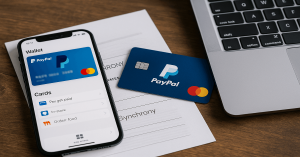
For anyone curious about evolving payment choices, security, and flexible finances in Japan, this deep dive unpacks the key reasons behind this rising interest.
Both regular online buyers and those exploring digital payments for the first time might gain new perspectives here.
The Growth of Japanese Online Shopping in 2026
Japan’s e-commerce market size continues to expand. With each year, more shoppers navigate from physical stores to digital platforms for everything from daily groceries to tech gadgets. Why now, though?
A few years back, many Japanese consumers preferred cash or domestic credit cards. However, recent changes in mobile app integrations, payment gateway upgrades, and rewards programs have turned the tables slightly. Convenience, it appears, is king.
Shift in Consumer Habits
The pandemic accelerated online shopping readiness in Japan. In fact, a sizable portion of the population became comfortable with contactless payments out of necessity. This trend has only gained strength since.
Globalization of E-Commerce Platforms
Major platforms like Rakuten, Amazon, and Yahoo! Shopping have adopted global payment providers. International digital payments have become seamless, making buyers more open to solutions like PayPal that promise simplicity and reliability.
Why Japanese Shoppers Seek the PayPal Credit Card
The anticipated PayPal Credit Card taps into several unique preferences among Japanese consumers. There’s a blend of practicality, security, and even curiosity in their mindset. But that’s not all.
Enhanced Security Features
Japan’s shoppers are, perhaps, some of the world’s most security-conscious. Fraud prevention and secure transaction protocols weigh heavily on their decisions.
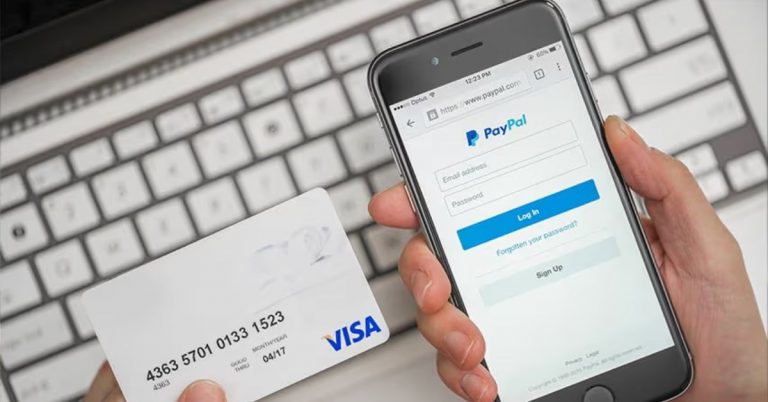
The PayPal Credit Card’s multi-layer verification, advanced encryption, and reputation for buyer protection have attracted notice.
Not everyone trusts new financial products on day one. Yet, PayPal’s established global record offers a layer of reassurance that some domestic cards might not match, at least in user perception.
Reward Programs Fit for the Local Market
Japanese credit cards frequently compete on points and cash-back. The PayPal Credit Card has hinted at partnerships with e-commerce giants and the promise of international rewards, which intrigues many who buy both domestically and overseas.
There’s ongoing speculation about whether these rewards will really outpace current card programs. Some shoppers may wait and see. Others are ready to try, fueled by the potential for added value on routine digital purchases.
Simple Financial Management
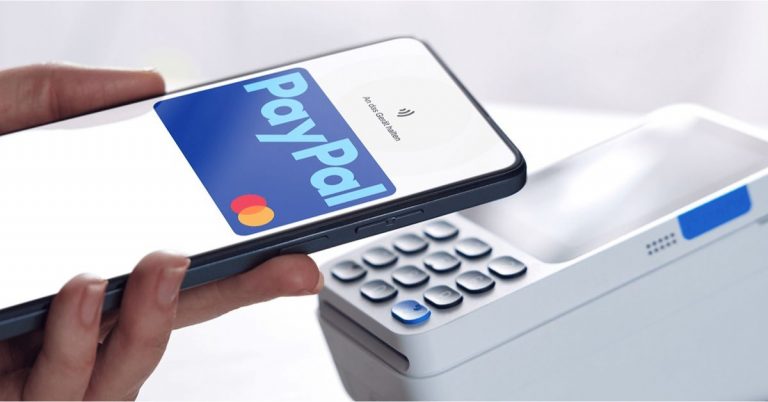
Japanese consumers value clarity and convenience in payments. The PayPal Credit Card is expected to sync directly with user accounts.
Real-time spending notifications and simple integration with existing PayPal balances appeal to people tired of juggling multiple apps or tracking paper receipts.
Compared to traditional cards, which sometimes split expenses between statement cycles, this kind of real-time tracking makes budgeting—well, maybe not easier, but at least more transparent.

Key Benefits Driving Demand in 2026
Let’s look more closely at what’s motivating shoppers to want the PayPal Credit Card over other choices in 2026. The reasons are nuanced, but several stand out.
Seamless International Payments
Japan’s cross-border e-commerce is expanding. More users order directly from overseas retailers, where PayPal’s global acceptance and the Credit Card’s integration offer practical advantages. The ability to pay in multiple currencies with minimal hassle holds clear appeal.
Existing solutions sometimes involve extra conversion fees or complicated authorizations.
A PayPal Credit Card could help remove these friction points, although it’s still early to say if all costs will disappear entirely.
Mobile-First Features
Japanese consumers have adopted mobile shopping at breakneck pace. A Credit Card built around seamless digital management—purchases, payments, rewards, even customer support—naturally aligns with this trend.
This is especially relevant for the younger generation, who may seldom visit bank branches or handle paper statements. There’s something liberating, perhaps, about keeping everything in a single wallet app.
Exclusive E-Commerce Perks
PayPal’s anticipated partnerships with brands like Rakuten or Amazon Japan could bring unique perks.
Early teasers include member-only discount days and limited edition rewards, although full details are still emerging.
Some shoppers, like myself, can be a bit skeptical—until perks become official. But the buzz alone shows retail loyalty programs still have influence, even in a digital-first market.
How the PayPal Credit Card Stands Out from Japanese Competitors
While established Japanese cards—think JCB, Rakuten Card, Mitsui Sumitomo—dominate the landscape, the PayPal Credit Card brings fresh competition. But is ‘global’ always better than ‘local’?
Integration with Global E-Wallets
The PayPal Credit Card will likely allow direct transfers between a user’s PayPal and credit card balance.
For those who already rely on PayPal for freelance income or international transactions, this could simplify cash flow.
It’s an area where domestic cards, mostly focused on yen, sometimes lag behind in flexibility. Yet, some may argue that stability and familiarity with local banks still outweigh global perks for everyday purchases.
Expanded Buyer Protection Policies
PayPal’s buyer protection policy is consistently cited as an advantage. For Japanese shoppers used to robust consumer rights, this offers peace of mind for higher-value or international orders.
Traditional card providers do offer dispute resolution, but not always with the same international reach. Even so, some Japanese buyers have built-in trust with their favorite domestic banks, making them less inclined to switch quickly.
Digital-First Customer Experience
Another angle is digital support. The projected PayPal card will emphasize in-app support and automated service features. Younger shoppers, who rank online chat or app-first tools above call centers, may find this appealing.
On the other hand, some Japanese users still value phone or even in-person support for sensitive financial questions. Striking the right balance between digital and traditional channels remains a challenge for any new entrant.
Adoption Challenges Facing the PayPal Credit Card in Japan
Given Japan’s unique payment culture, no new financial product catches on overnight. The PayPal Credit Card’s potential faces practical and cultural headwinds, too.
Entrenched Domestic Preferences
Many Japanese consumers feel strong loyalty to long-established brands. New entrants have to build trust slowly. While PayPal is recognized globally, its credit card will have to earn local credibility.
Traditional value systems and consumer caution mean that overnight adoption is unlikely—though not impossible, if next-gen features prove too practical to ignore.
Unique Regulatory Needs
Japanese payment regulations require strict consumer protections and data security. Even global players must fine-tune their offerings. How PayPal adapts will affect both acceptance rates and regulatory scrutiny going forward.
Other providers, having navigated these rules longer, may still hold an advantage. If PayPal can reassure both users and regulators, broader success is more likely.
Technical Barriers and Market Competition
Integrating new payment systems with Japan’s evolving digital point-of-sale infrastructure poses technical challenges. Adoption may hinge on how smoothly the PayPal Credit Card integrates with favorite platforms like Yahoo! Shopping or mobile phone carriers.
It’s fair to point out that competitors have already invested in these connections. But, with the right partnerships and marketing, new players sometimes surprise everyone—including themselves.
Legal and Tax Considerations in 2026
Japan’s financial services regulations guide how credit cards operate, how rewards are taxed, and how cross-border payments are reported. Shoppers are rightfully cautious in watching how a new player follows the rules.
It’s expected that the PayPal Credit Card will comply fully with requirements set by agencies like the Financial Services Agency (FSA).
For most ordinary shoppers, legal compliance might not be top of mind, but it becomes crucial if disputes arise, especially with large sums or international returns.
If you’re interested in regulatory frameworks or tax implications, resources like the Japanese Financial Services Agency provide updates on compliance and consumer advice.
The PayPal Credit Card’s Future Impact on Japanese e-Commerce
The possible launch of the PayPal Credit Card in Japan reflects more than a new payment tool; it mirrors changing consumer desires and the accelerating pace of digital commerce. There’s enthusiasm, of course, but also a kind of watchful skepticism. Isn’t that always the way with innovation?
The card’s appeal—security, global reach, better rewards—resonates with Japanese shoppers navigating both local and international buys. Its ultimate impact, though, will depend not just on features, but on how well it meshes with local expectations and long-standing habits.
As 2026 approaches, Japanese consumers seem more willing than ever to compare payment options and to ask whether the new can really outperform the tried-and-true. The PayPal Credit Card might just become a new standard—or it might prompt competitors to step up, making the entire landscape better for everyone involved.