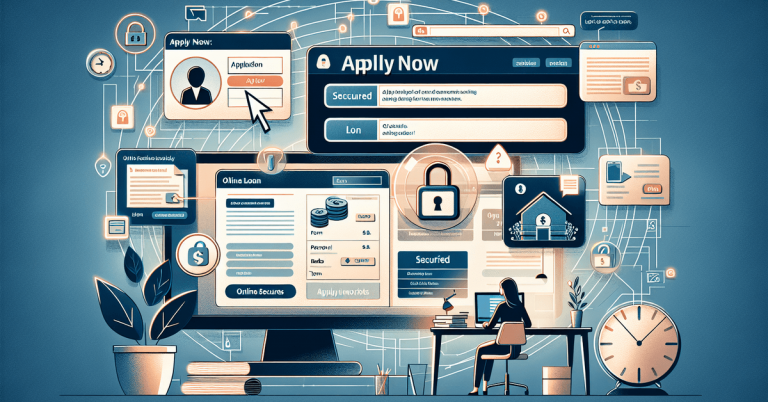
Hungarian consumers searching for fast finance solutions often look for options beyond the well-known PayPal credit card. For many, approval times and accessibility leave much to be desired.
This article takes a closer look at what’s becoming a popular PayPal alternative in Hungary, exploring how it works and who is turning to these flexible choices for quick access to credit.
Why Hungarians Are Seeking Alternatives to PayPal Credit Card
Despite PayPal’s global reputation, Hungarians can face hurdles with their credit card product. Slow approvals or limited eligibility are sometimes an issue. Perhaps that’s why more are looking elsewhere for speed and convenience.
It’s not just the approval process. The available payment infrastructure in Hungary often doesn’t synergize perfectly with PayPal credit cards.
Sometimes online shops or local services simply aren’t supported, further motivating consumers to investigate other digital credit solutions.
The Rise of Digital-First Credit Cards in Hungary
Over the past few years, new providers have emerged offering quick digital application and flexible use.
These solutions usually need only a straightforward verification, sometimes even skipping traditional bank bureaucracy.
The trend is growing, especially among the tech-savvy populace who value instant access and full control via smartphone apps or online dashboards.
Minimal Paperwork Requirements
One key reason for their popularity is the very simple onboarding process. Most alternatives avoid lengthy paperwork, which appeals to younger generations and freelancers.
Speedy Approval Process
Fast approval is often possible—an industry shift that traditional institutions still struggle to match. Some customers have reported getting access to their credit line within just a few minutes, depending on provider policies.
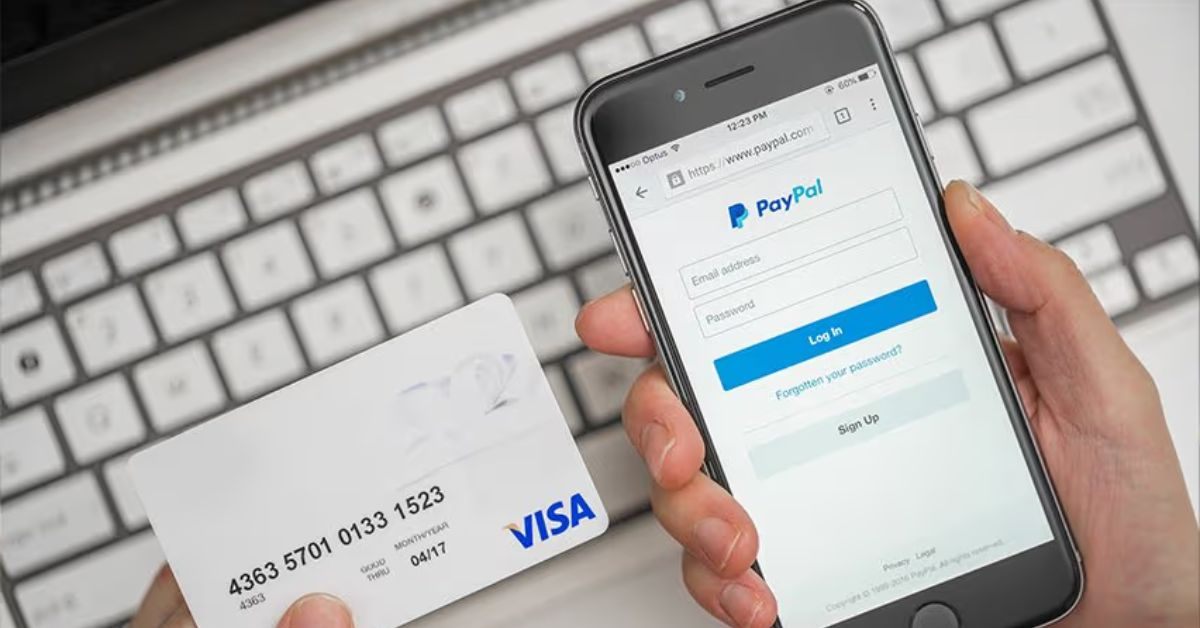
What Is the Most Popular PayPal Credit Card Alternative?
There are multiple contenders, but the Revolut card has seen significant adoption throughout Hungary.
Not only does it offer rapid digital onboarding, but it also provides flexible spending options, real-time notifications, and easy currency exchange.
Why Revolut Is Catching On
Revolut’s appeal comes partly from its fast approval and user-friendly interface. There’s no requirement for a traditional credit score check in most cases—unlike with PayPal credit products.
Instead, the app prioritizes identity verification and compliance checks, making the process generally much quicker for eligible users.
Integrated Financial Tools
Besides offering a physical and virtual card, Revolut bundles budgeting tools, analytics, and even instant access to multiple currencies.
That means frequent travelers or freelancers get more control over their finances, sometimes at lower service fees compared with older credit card models.
How Fast Is Approval with Leading Alternatives?
Speed varies by provider, but many customers find that new-age services respond in minutes or hours, not days.
This has become a major competitive edge over PayPal’s slower approval pipeline in Hungary.
Digital Verification Only
Applicants usually upload an ID, take a selfie, and fill out a short form. No lengthy interviews or paper documentation.
Some people have shared online that they received a digital card instantly following successful identity confirmation.
Available to a Broader User Base
These alternatives tend to open the door to people with non-traditional incomes or limited credit history.
That’s particularly helpful for students, freelancers, or digital nomads—groups that often feel left out by major credit providers.
Comparing Features: PayPal Credit Card vs. Alternatives
| Feature | PayPal Credit Card | Revolut Card |
|---|---|---|
| Approval Speed | 2–7 days | Minutes–hours |
| Application Process | Requires credit check | Digital verification |
| Eligibility | Strict | Inclusive |
| Use in Hungary | Limited support | Wide acceptance |
| Currency Support | Primarily EUR/USD | Multi-currency |
Who Should Choose a PayPal Card Alternative?
Hungarians who want immediate access to digital finance tools are ideal candidates.
If you’ve tried applying for a PayPal credit card and hit barriers—or simply want lower fees and easier approval—a digital-first provider could be a better match.
Freelancers and online workers have gravitated toward these options. Their project-based or freelance income often doesn’t fit traditional approval models. A faster, more modern approach feels less intimidating and more empowering to many.
Frequent travelers and remote workers also enjoy multi-currency options and global reach.
That’s especially valuable considering Hungary’s connection to both local and broader EU e-commerce markets.
Are These Alternatives Safe?
Safety is top-of-mind for anyone considering a new credit product. Most major digital card providers are licensed or regulated under EU frameworks—though always check official site details.
For instance, Revolut’s Hungary portal explains its compliance status and customer protections in detail.
Online security features like two-factor authentication, instant freeze, and spending notifications improve confidence. Users can review terms, see live balances, or lock their card if anything feels off, all via a mobile app.
Dispute and Refund Options
Users often worry about getting their money back if there’s a problem. Most leading digital providers have fairly robust dispute mechanisms in place, offering refunds or reversals under specific circumstances. It’s worth reading through official terms for details.
The Application Process: Step by Step
Every provider will offer its own specific journey, but the outline below is typical for most online digital cards in Hungary:
- Download the app or sign up online
- Provide basic personal data
- Upload official ID and selfie
- Wait for digital verification (often minutes)
- Access your virtual card, or request a physical one
This approach is markedly different from traditional bank credit cards, where wait times and paperwork remain the norm.
Additional Benefits Beyond Speed
It’s not just about rapid access. Flexible spending control, detailed analytics, global currency compatibility—these are drawing a new type of Hungarian user.
Even digital-savvy seniors have started turning to these alternatives for the ease and transparent pricing, where fees are clearly listed upfront.
There’s also some peace of mind in knowing you can simply freeze your card from the app if something suspicious turns up.
In a digital world, instant control just feels right, or at least more responsive to modern concerns.
Of course, fees and limits exist, so users should carefully review each provider’s terms before committing.
As always, the perfect fit depends on your personal habits and financial needs. In my opinion, flexibility remains the top draw—even if the odd technical hiccup does happen now and then.
Key Legal and Tax Considerations
Whenever a financial solution gains popularity, legal and tax questions follow. Most digital card providers comply with Hungarian and EU finance laws.
Users are typically required to declare foreign transactions or balances as part of annual financial disclosures.
It’s worth consulting a tax advisor for guidance, especially for those managing business income or undertaking significant cross-border purchases.
This is just my interpretation—regulations can shift, and official guidance should always be checked for the latest requirements.
For reference, the European Commission’s taxation portal offers updates on digital finance rules in Hungary and across the EU.
In some fringe cases, currency conversion or ATM withdrawals from a non-Hungarian card might be taxed differently. Keeping up-to-date with terms can minimize surprises at tax time.
FAQ: Common Concerns with PayPal Credit Card Alternatives
Is there a credit check?
Most leading alternatives skip a formal credit check for basic products, so applicants with non-traditional work backgrounds often get approved easily.
More advanced or premium card levels may have additional requirements.
What about hidden fees?
Generally, providers are clear about charges—international payments, currency exchanges, or ATM withdrawals may still incur small fees, but these are disclosed upfront for transparency.
Can I use these cards everywhere PayPal is accepted?
Acceptance is widespread, especially where Visa or Mastercard is taken. Some niche services may favor PayPal, but overall functionality in Hungary tends to be quite broad.
Conclusion: Are Digital Card Alternatives Truly the New Standard in Hungary?
The landscape for fast, accessible credit in Hungary is changing. A generation used to instant apps and borderless payments may never settle for slow, restrictive approvals again.
While PayPal’s model paved the way, digital-first cards like Revolut are redefining convenience for ordinary Hungarians. They combine swift approval, smart features, and cross-border flexibility—whether you’re shopping online, traveling, or freelancing.
Reviewing your personal needs and confirming provider terms is still wise, but these alternatives are quickly becoming the new normal. For a growing number of Hungarians, waiting for approval just doesn’t make sense anymore.