In the UK market, thinkmoney offers two “card” paths that serve different needs: a current account with a debit Mastercard and a separate credit card issued through Capital One.
During the online flow, eligibility turns on age, UK residency, and standard ID checks, while fees and credit reporting differ sharply between the debit and credit options.



Facts and regulatory notes below were checked on 2025 and should be confirmed on the official pages during submission.

What the Thinkmoney Card Means Today
In thinkmoney’s everyday banking stack, the “card” tied to a current account is a debit or prepaid-style Mastercard linked to electronic money, not a line of credit.
For those building stability, the account separates bill money and spending money so essential payments stay protected.
In parallel, a distinct thinkmoney Credit Card exists for borrowing and credit building, and it is issued and managed by Capital One in the UK. Treat these as different products with different rules and different risk profiles.
Thinkmoney Credit Card Snapshot
For those needing a simple credit builder line, the thinkmoney Credit Card is promoted by Think Money Ltd as a brokered product, while Capital One is the exclusive lender and issuer in the UK.
Marketing highlights include an eligibility check that does not impact your credit score, a fast yes or no in around a minute, and an initial credit limit up to £4,000 for accepted applicants.
Representative APRs vary over time; recent materials and independent roundups show examples around 39.9 percent APR variable at a typical assumed credit limit, although actual pricing depends on status. Treat promotional 0 percent offers on purchases or balance transfers as time-limited and confirm any transfer fee before proceeding.
Rebuilding Your Credit Score
In practice, Rebuild your credit score becomes more likely when repayments arrive on or before the due date every month and balances remain within the assigned limit.
Missed payments work against progress and can trigger interest and fees, so alerts and autopay routines help maintain on-time behavior.
For those unsure about acceptance odds, pre-checking through the broker’s tool is a sensible first step, followed by a full application only when the result looks favorable.
Eligibility And Basic Requirements
For the current account route, applicants typically need to be aged 18 or over and resident in the United Kingdom for most of the year.
Most marketing language stresses a No credit check account for the basic current account, although identity verification still applies before access is granted.
For clarity, thinkmoney lists acceptance based on age, residency, and successful ID checks rather than traditional credit scoring for the account itself. Those rules keep the Thinkmoney current account online process straightforward for many applicants who have thin or impaired credit files.
How to Apply Thinkmoney Card Online
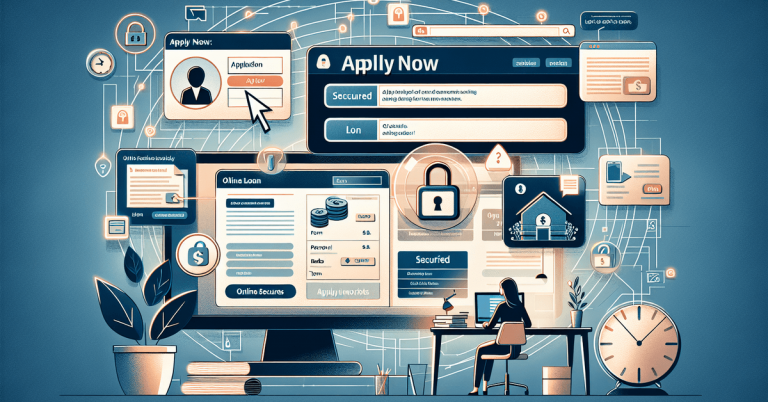
Applying online is a single flow that starts on the website or in the mobile app and ends with digital verification.
Common missteps come from skipped ID photos, unreadable uploads, or inconsistent addresses, so plan documents and lighting ahead of time.
Expect simple screens, a selfie prompt, and a confirmation email when the account opens. Card arrival follows after approval and address confirmation.
- Start The Application In The App Or On The Website.
In the navigation, select Apply or Open account, then choose the relevant plan, such as Everyday, Smart, or SmartPlus. App users can download via Google Play or the Apple App Store and begin immediately after installation. - Enter Personal And Address Details Carefully.
When forms request full name, date of birth, nationality, mobile, and a UK address, keep formats consistent with official ID to avoid extra checks. - Upload Supported ID And Complete The Identity Verification Selfie.
Acceptable documents typically include a passport, UK photocard driving licence, or an EU ID; the flow then requests a live selfie to match your document. - Submit And Monitor For Confirmation.
After successful checks, a confirmation email arrives and in-app access activates; failed matches usually trigger a prompt to resubmit clearer images. - Receive The Thinkmoney Debit Mastercard.
Physical delivery is sent to the confirmed address, after which in-app activation and contactless spending become available where supported.
Verification, Timelines, And Card Arrival
In most cases, verification completes quickly when images are bright, glare-free, and show all four corners of the document.
Inconsistent addresses across ID and application screens can introduce friction, so matching the spellings to official documents helps reduce manual review.
During busy periods or when extra checks are required, processing may extend, although digital access often appears before the physical card arrives. Support channels remain available if screens loop or uploads fail repeatedly.
Documents And Proofs To Prepare
Clarity during upload prevents rejections and resubmission loops. Simple prep improves pass rates and keeps the Identity verification selfie smooth.
- Primary Photo ID: Passport, full or provisional UK photocard driving licence, or an accepted EU ID card, photographed head-on in bright light.
- Address Evidence: A recent utility bill or bank statement showing the exact UK residency requirement details used on the form.
- Device Security Readiness: App permissions for camera and photo storage plus stable mobile data or Wi-Fi for uninterrupted uploads.
- Backup Lighting Plan: A desk lamp or window light to avoid shadows and glare across holograms, watermarks, and MRZ lines.
Fees, Limits, And Safeguarding Rules
As account tiers differ, fees and features vary, and electronic money rules apply rather than deposit protection.
Quick comparisons below keep the decision grounded, then confirm live pricing during checkout. Regulatory notes reflect updated FCA safeguarding guidance published in 2025.
| Item | Current Account (Everyday/Smart/SmartPlus) | Credit Card (Capital One issued) |
| Card Type | Thinkmoney debit Mastercard for spending your own funds | Revolving credit line reported to agencies |
| Credit Check | No hard credit check to open the account, identity checks apply | Credit assessment applies, including hard search |
| Typical Costs | Smart account often £10.95 monthly; SmartPlus £15.95 monthly; Everyday may be free | No annual fee typically; APR varies by product |
| Primary Use | Budgeting features and spending after bills are reserved | Purchases, balance transfers, and credit building |
| Protection Model | E-money safeguarding, not FSCS deposit insurance | Consumer credit protections per lender terms |
Fees and plan details are visible on the live account pages; Smart shows £10.95 per month, SmartPlus shows £15.95 per month, and Everyday is positioned as fee free.
E-money balances are safeguarded under UK regulations rather than covered by the Financial Services Compensation Scheme, a distinction the FCA reinforced in 2025 consultations and policy statements.
How to Precheck Eligibility Without Hurting Your Score
Prechecking helps avoid unnecessary hard searches when approval odds appear low. Capital One and thinkmoney publish clear signals about soft-check tools and fast preliminary decisions.
- Use The Broker’s Eligibility Checker: The tool indicates likely approval without impacting your score, using soft data and quick rules.
- Confirm The Capital One Partnership: Disclosures note Think Money Ltd acts as credit broker and Capital One is the lender, which explains the scoring logic you may encounter.
- Read The Representative Example Carefully: APRs around the high-30s are common for credit-builder cards and change with market conditions.
- Set A Realistic Limit Expectation: Marketing references up to £4,000 for accepted applicants, though individual limits depend on profile and income evidence.

Common Application Mistakes And Simple Fixes
Inconsistent names across ID and the application screen often trigger manual review; matching the order and spelling to passport or driving licence reduces delays.
Blurry images and reflective glare on security holograms regularly cause document rejection; placing the ID on a dark matte surface and moving the light source off-axis usually produces a clean shot.
Address recency matters during checks; using a document that reflects the current UK address increases the chances of an instant pass. For those switching from another provider, setting up direct debits only after the account is live avoids failed payment frustrations during the first week.
Security, Support, And Contact Options
In cases of failed uploads, suspicious activity, or travel-related fraud warnings, thinkmoney maintains phone support at 0161 779 5000 and encourages in-app messaging where possible.
Service pages and fraud advice stress blocking a card quickly if an unfamiliar transaction appears, then continuing the dispute in the app or by phone.
Post Office counter services can also help with deposits and cash withdrawals using the card and PIN, which is useful when local ATMs are limited. Hours may vary, so checking the live help pages and service status tool is a smart final step before escalating.
Quick Definitions That Matter
In UK regulation, a current account offered through an electronic money framework uses safeguarding rather than FSCS deposit insurance, meaning funds are held in segregated accounts but are not covered by the statutory compensation scheme.
For applicants comparing debit and credit, a debit card spends available funds, while a credit card borrows up to a limit and reports behavior to credit bureaus, impacting future eligibility and pricing.
These fundamentals keep the choice grounded in practical needs rather than branding terms.
Conclusion
If you need everyday budgeting, the thinkmoney current account card fits, while the Capital One credit card handles borrowing.
Finish the online flow in one sitting: match IDs to the form, use bright uploads, and keep addresses consistent.
Confirm fees, safeguarding versus FSCS, and credit checks, then use the soft eligibility tool before committing to a full application. After approval, activate promptly, enable alerts, and set repayments or budgets to build stability and prevent late fees.